MGC, Seven Operators Set for March 10 Online Sports Betting Launch

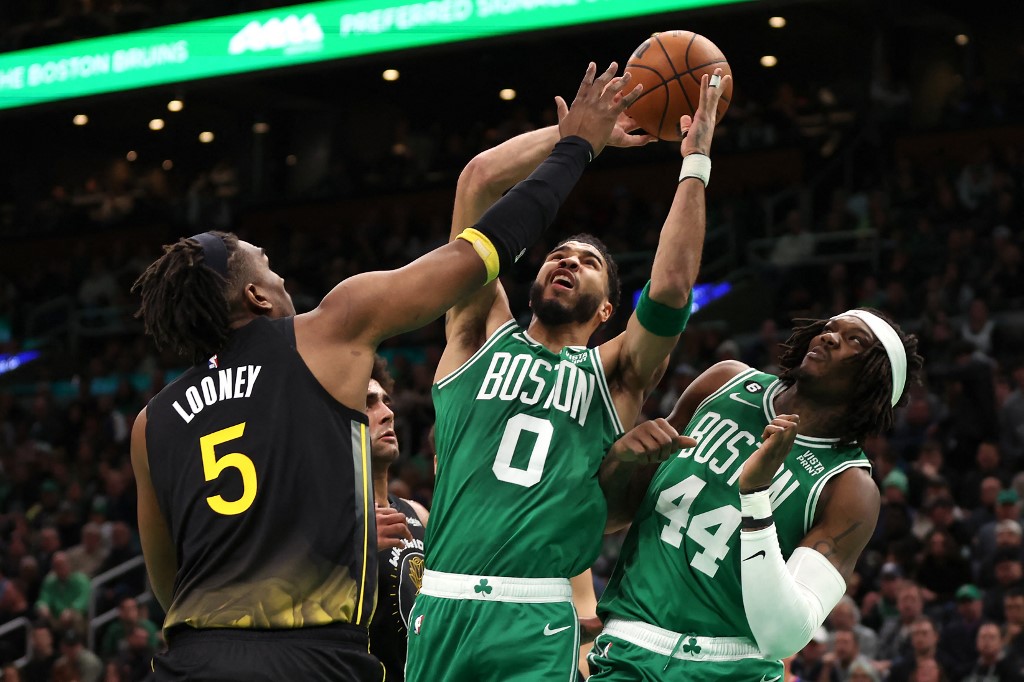
March Madness is quickly approaching, as is the imminent launch of online sports betting in the Bay State.
Karen Wells, Executive Director of the Massachusetts Gaming Commission (MGC), announced on Wednesday that her team and sports betting operators are making steady progress towards meeting the planned launch date of March 10 for online sports betting in MA.
Seven out of ten operators have received initial approval and temporary licenses for launch and are planning to go live next week. These operators include Barstool_G, FanDuel, DraftKings, Betr, WynnBet, Caesars_G (currently available for download), and BetMGM.
This week, the MGC announced that Betway has been granted a temporary digital sports wagering license. The review process for Betway was delayed last month due to its acquisition by Super Group, but the company paid the $1 million licensing fee and applied for the license after the MGC reviewed the process. Betway is expected to launch in early 2026.
Bally Bet and Fanatics have been approved to launch online sportsbooks in Massachusetts, with expected go-live dates in May at the earliest. PointsBet was also approved to enter the market but has since decided to withdraw.
There are three more MA online sports betting licenses up for grabs. Two are standalone licenses, while one will be tied to MGM Springfield, one of three retail sportsbooks in Massachusetts that started accepting in-person bets on Jan. 31.
March Madness is considered one of the biggest events in sports betting, second only to the Super Bowl. According to the American Gaming Association, about 20% of American adults bet around $3 billion on last year’s tournament.
Commissioner Jordan Maynard of the MGC expressed optimism during Wednesday’s meeting, stating that the launch of operations before the upcoming March Madness event will be beneficial to the commonwealth.
More rules approvals from the MGC
During this week’s session, the MGC voted on a set of rules, with the most discussed being the proposed rule regarding a special “cooling off” period that the MGC is considering implementing.
The standard for responsible gaming in the US sports betting industry includes the option for consumers to voluntarily ban themselves from betting for at least one year using a self-exclusion list. The MGC has endorsed a policy allowing individuals to opt for a minimum 72-hour self-exclusion on operator platforms, rather than having to exclude themselves from all platforms in the state.
The cooling-off period does not apply to betting on kiosks or in person as both methods can be done anonymously. Responsible gaming is a major concern for MA sports betting regulators, as all three retail sports betting sites have already accepted improper bets on local college teams within the first month of legal wagering.
Similarly, the commission also gave approval to five regulations concerning flagging and withholding winnings for individuals who are in arrears on child support, guidelines for consumers to file complaints, and various accounting and internal control measures.
Affiliate marketing still on the chopping block
A group of legal sports betting stakeholders recently made comments to the MGC in the hopes of overturning the current ban on affiliate marketing in MA sports betting regulations.
The regulation 205-CMR-256 governs advertising for sports betting, and the commission has been discussing potential amendments that would permit Cost-Per-Action (CPA) agreements between affiliates and operators.
Better Collective, Catena, and CDG, companies that run significant sports betting media platforms in the US, are lobbying for a regulatory change alongside FanDuel, BetMGM, and DraftKings, who are advocating for the use of CPA partnerships.
Connecticut and Illinois are the only states with current affiliate restrictions in place, while no states have implemented a complete ban like Massachusetts has for affiliate revenue from sportsbook promos.
Affiliate sites play a crucial role in educating and informing consumers who are already interested in sports betting, rather than using broad-based advertisements to introduce products to a general audience through billboards and mainstream media activations.
If the MGC decides to change its regulations to allow affiliates to participate in Massachusetts sports betting, they will be under pressure to create a new license category with less than two weeks remaining before online sports betting begins in the state.

Related Articles