NCAA Adopts “Draw the Line” Campaign to Educate Students About Problem Gambling


The NCAA remains dedicated to educating and safeguarding student-athletes against the risks posed by the expanding sports betting industry in the United States. Problem gambling poses a major concern for the top sports betting platforms.
The NCAA has introduced the “Draw the Line” campaign to raise awareness among student-athletes about the dangers of sports betting. The initiative is also aimed at educating all fans, spectators, and participants in college sports.
Sports betting is everywhere
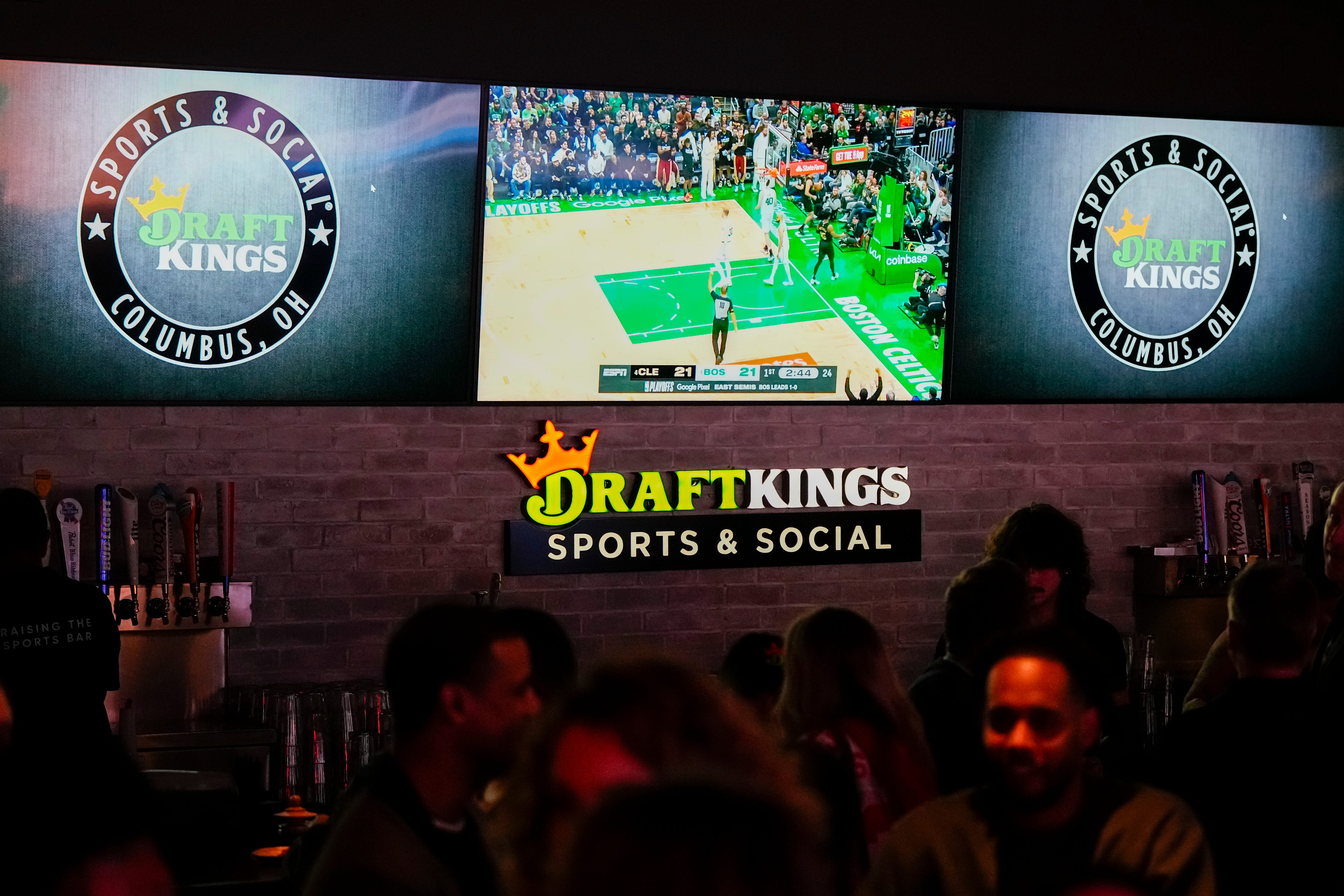
Sports betting has become a prominent aspect of the North American sports viewing experience, significantly impacting college-age students according to data.
A study conducted by the NCAA in 2026 found that 67% of college students aged 18 to 22 on campus have participated in sports betting. The study also revealed that approximately 10% of these student bettors have reported struggling with gambling addiction.
The increasing popularity and widespread acceptance of legal sports betting in the American market have sparked significant concerns.
NCAA President Charlie Baker emphasized the importance of educating student-athletes about the impact of sports betting, particularly on college campuses. He expressed concern about bettors harassing athletes and officials, leading the organization to push for policy changes at the state level and implement monitoring tools during championships to identify and report serious threats to law enforcement.
Timing is everything
The NCAA’s Draw the Line campaign is being launched during the busiest time of the year for college betting, coinciding with the NCAA Tournament. The American Gaming Association predicts that $2.72 billion will be legally bet on the March Madness tournament. It is anticipated that the three-week tournament will generate around $1 billion in revenue, accounting for approximately 85% of the NCAA’s annual revenue.
The $2.72 billion amount represents a 2.2% growth compared to the previous year’s tournament.
To provide a point of comparison, approximately $1.4 billion was bet on the 2026 Super Bowl.
Other NCAA efforts
The NCAA has taken a leading role in providing educational resources for problem gambling in the American market. Its Draw the Line campaign is the most recent initiative aimed at increasing awareness among students and the public about the risks associated with the legal sports betting industry.
Earlier this year, NCAA President Charlie Baker announced a partnership with the NFL to update and provide educational content on problem gambling. The organization has also teamed up with Signify Group to conduct further research on the impact of sports betting.
In a recent move supported by the NCAA, Ohio, Maryland, and Vermont have prohibited prop betting on individual college athletes. This decision aligns them with 20 other states that also restrict wagers on collegiate players.
Last month, Ohio Casino Control Commission executive director Matthew Schuler wrote a letter to Baker addressing the issue of harassment of student-athletes based on their performance or statistics in intercollegiate athletics competitions. Schuler emphasized that this type of harassment poses a significant threat to the best interests of Ohio. He pointed out that player-specific prop bets may be linked to player-specific harassment, including threats, as indicated by information provided by the NCAA. Schuler suggested that reducing the availability of these types of wagers could potentially decrease instances of harassment.
Baker has expressed concerns about student-athletes facing harassment from bettors and being targeted by billion-dollar ad campaigns. He believes that regulators and sportsbooks need to work together to protect student-athletes and maintain the integrity of the games.

Related Articles